Buy schwarzes-brett.eu ?
We are moving the project
schwarzes-brett.eu .
Are you interested in purchasing the domain
schwarzes-brett.eu ?
domain@kv-gmbh.de · 0541-91531010
Buy schwarzes-brett.eu ?
Can fabric or clothing mold?
Yes, fabric and clothing can definitely mold if they are exposed to moisture and not properly dried. Mold thrives in damp and humid environments, so if fabric or clothing is left wet for an extended period of time, it can develop mold. This is why it's important to properly dry and store fabric and clothing to prevent mold growth. Additionally, mold can also develop on fabric and clothing if they are stored in a damp or poorly ventilated area. Regular cleaning and proper storage can help prevent mold from developing on fabric and clothing. **
Which clothing fabric does not produce lint?
Clothing fabrics that do not produce lint include silk, leather, and polyester. These fabrics have smooth surfaces that do not shed fibers as easily as other materials like cotton or wool. Choosing garments made from these fabrics can help reduce lint accumulation and keep your clothes looking cleaner and more polished. **
Similar search terms for Fabric
Top-Angebote
Products related to Fabric:
-
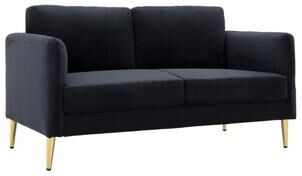
"US PRIDE FURNITURE 60.63"" W Mid-Century Corduroy Fabric Loveseat"Get a modern look that adds comfort and style to your home. This corduroy fabric loveseat creates a lounge-worthy spot in your living room without dominating square footage.335,49 $*Shipping: 0,00 $Secure redirect to the provider


-
Does fabric softener permanently damage functional clothing?
Fabric softener can potentially damage the functionality of certain types of clothing, such as moisture-wicking or water-repellent fabrics. The chemicals in fabric softener can coat the fibers of the fabric, reducing their ability to wick away moisture or repel water. However, the damage is not usually permanent and can often be reversed by washing the clothing without fabric softener. It is recommended to avoid using fabric softener on functional clothing to maintain their performance capabilities. **
-
Which fabric of clothing makes you smell faster?
Synthetic fabrics such as polyester, nylon, and acrylic tend to make you smell faster compared to natural fabrics like cotton or wool. This is because synthetic fabrics do not breathe as well as natural fibers, leading to a build-up of sweat and bacteria which can cause odor. Additionally, synthetic fabrics are less absorbent and can trap moisture, creating a breeding ground for odor-causing bacteria. Therefore, choosing natural fabrics can help reduce the likelihood of smelling faster. **
-
Which clothing fabric does not produce any pills?
Fabrics made from natural fibers like silk and linen are less likely to produce pills compared to synthetic fabrics like polyester or acrylic. These natural fibers have smoother surfaces and are less prone to friction, which is a common cause of pilling. Additionally, high-quality wool and cashmere fabrics are also less likely to pill due to their longer fibers and tighter weaves. **
-
How can one dye clothing with fabric dye?
To dye clothing with fabric dye, start by preparing the fabric by washing it to remove any dirt or finishes that may prevent the dye from absorbing evenly. Next, mix the fabric dye according to the instructions on the packaging and submerge the fabric in the dye solution. Stir the fabric continuously to ensure even coverage and let it soak for the recommended amount of time. Finally, rinse the fabric in cold water until the water runs clear, then wash and dry it according to the care instructions. **


Which clothing fabric does not produce any lint?
Silk is a clothing fabric that does not produce any lint. This is because silk fibers are smooth and tightly woven, which prevents them from shedding or creating lint. Additionally, silk is a natural protein fiber that is less likely to break or fray compared to other fabrics, further reducing the likelihood of lint production. **
How can you dye clothing with fabric dye?
To dye clothing with fabric dye, start by preparing the fabric by washing it to remove any dirt or chemicals that may interfere with the dyeing process. Next, mix the fabric dye according to the instructions on the packaging and submerge the fabric in the dye solution. Stir the fabric continuously to ensure even color distribution and let it soak for the recommended amount of time. Finally, rinse the fabric in cold water until the water runs clear, then wash and dry it according to the care instructions. **
Top-Angebote
Products related to Fabric:
-
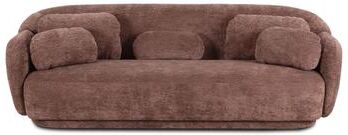
TOV Furniture Misty Textured Knubby Fabric SofaFrom a cozy family room to a casual modern lounge, the Misty sofa is set for chic comfort. The curved silhouette and textured nubby fabric offer an inviting seat that styles seamlessly into your space.1654,49 $*Shipping: 0,00 $Secure redirect to the provider
-
Can fabric or clothing mold?
Yes, fabric and clothing can definitely mold if they are exposed to moisture and not properly dried. Mold thrives in damp and humid environments, so if fabric or clothing is left wet for an extended period of time, it can develop mold. This is why it's important to properly dry and store fabric and clothing to prevent mold growth. Additionally, mold can also develop on fabric and clothing if they are stored in a damp or poorly ventilated area. Regular cleaning and proper storage can help prevent mold from developing on fabric and clothing. **
-
Which clothing fabric does not produce lint?
Clothing fabrics that do not produce lint include silk, leather, and polyester. These fabrics have smooth surfaces that do not shed fibers as easily as other materials like cotton or wool. Choosing garments made from these fabrics can help reduce lint accumulation and keep your clothes looking cleaner and more polished. **
-
Does fabric softener permanently damage functional clothing?
Fabric softener can potentially damage the functionality of certain types of clothing, such as moisture-wicking or water-repellent fabrics. The chemicals in fabric softener can coat the fibers of the fabric, reducing their ability to wick away moisture or repel water. However, the damage is not usually permanent and can often be reversed by washing the clothing without fabric softener. It is recommended to avoid using fabric softener on functional clothing to maintain their performance capabilities. **
-
Which fabric of clothing makes you smell faster?
Synthetic fabrics such as polyester, nylon, and acrylic tend to make you smell faster compared to natural fabrics like cotton or wool. This is because synthetic fabrics do not breathe as well as natural fibers, leading to a build-up of sweat and bacteria which can cause odor. Additionally, synthetic fabrics are less absorbent and can trap moisture, creating a breeding ground for odor-causing bacteria. Therefore, choosing natural fabrics can help reduce the likelihood of smelling faster. **
Similar search terms for Fabric
-
"US PRIDE FURNITURE 60.63"" W Mid-Century Corduroy Fabric Loveseat"Get a modern look that adds comfort and style to your home. This corduroy fabric loveseat creates a lounge-worthy spot in your living room without dominating square footage.335,49 $*Shipping: 0,00 $Secure redirect to the provider
-
Furniture of America Tunis Modern Chenille Fabric Upholstered Accent ChairSink into comfortable relaxation with this contemporary armchair, perfect for quiet reading sessions or catching up with guests. Featuring plush chenille fabric with OEKO-TEX certification, it brings safe and cozy texture home.1415,49 $*Shipping: 0,00 $Secure redirect to the provider
-
Which clothing fabric does not produce any pills?
Fabrics made from natural fibers like silk and linen are less likely to produce pills compared to synthetic fabrics like polyester or acrylic. These natural fibers have smoother surfaces and are less prone to friction, which is a common cause of pilling. Additionally, high-quality wool and cashmere fabrics are also less likely to pill due to their longer fibers and tighter weaves. **
-
How can one dye clothing with fabric dye?
To dye clothing with fabric dye, start by preparing the fabric by washing it to remove any dirt or finishes that may prevent the dye from absorbing evenly. Next, mix the fabric dye according to the instructions on the packaging and submerge the fabric in the dye solution. Stir the fabric continuously to ensure even coverage and let it soak for the recommended amount of time. Finally, rinse the fabric in cold water until the water runs clear, then wash and dry it according to the care instructions. **
-
Which clothing fabric does not produce any lint?
Silk is a clothing fabric that does not produce any lint. This is because silk fibers are smooth and tightly woven, which prevents them from shedding or creating lint. Additionally, silk is a natural protein fiber that is less likely to break or fray compared to other fabrics, further reducing the likelihood of lint production. **
-
How can you dye clothing with fabric dye?
To dye clothing with fabric dye, start by preparing the fabric by washing it to remove any dirt or chemicals that may interfere with the dyeing process. Next, mix the fabric dye according to the instructions on the packaging and submerge the fabric in the dye solution. Stir the fabric continuously to ensure even color distribution and let it soak for the recommended amount of time. Finally, rinse the fabric in cold water until the water runs clear, then wash and dry it according to the care instructions. **
* All prices are inclusive of VAT and, if applicable, plus shipping costs. The offer information is based on the details provided by the respective shop and is updated through automated processes. Real-time updates do not occur, so deviations can occur in individual cases. ** Note: Parts of this content were created by AI.